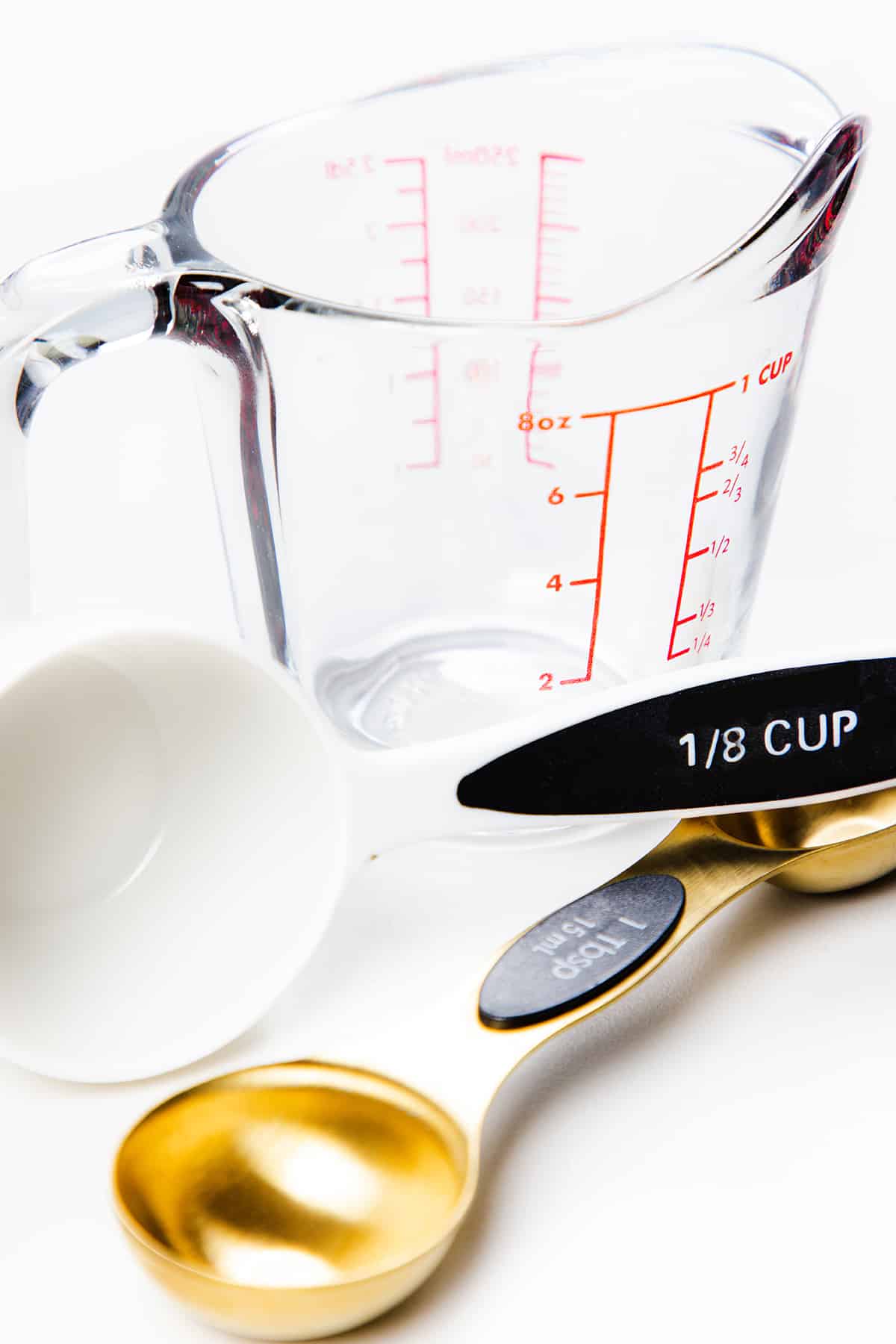
Unlocking Precision: How Many Tablespoons Are In 1/8 Cup?
In the world of culinary arts, precision is often the secret ingredient that elevates a dish from good to extraordinary. Whether you're a seasoned chef or a budding home baker, understanding exact measurements is paramount, especially when tackling delicate recipes. One common measurement dilemma that frequently puzzles home cooks is figuring out the precise number of tablespoons in 1/8 cup. The good news? We’ve got the definitive answer, along with a comprehensive guide to navigate the nuances of global kitchen measurements.
For most American recipes, the quick and essential answer is: there are 2 tablespoons in 1/8 cup. This simple conversion is your key to consistent results in countless dishes. However, as we'll discover, the world of culinary measurements isn't always uniform. Different countries and historical systems introduce variations that can significantly impact your baking and cooking if not understood. Let’s dive deeper into the specifics, ensuring your culinary creations are always perfectly balanced and delicious.
The Core Conversion: Tablespoons in 1/8 US Cup
When a recipe calls for 1/8 cup, and you're working with standard American measuring tools, remembering that it equates to 2 tablespoons is a game-changer. This conversion is fundamental to the US Customary System (USCS), which is prevalent in the United States.
Understanding the US Customary System
The USCS is built on a straightforward relationship between cups and tablespoons. Traditionally, 1 US cup is equal to 16 US tablespoons. Therefore, if you need to find out how many tablespoons are in 1/8 of a cup, the calculation is simple:
- 1/8 US Cup = (1/8) × 16 US Tablespoons
- 1/8 US Cup = 2 US Tablespoons
This conversion holds true for most everyday cooking and baking applications in the United States. For incredibly precise scenarios, especially those involving nutritional labeling, the "US Legal Cup" is sometimes referenced. A US Legal Cup is defined as 240 mL, slightly different from the US Customary Cup (236.59 mL). Consequently, 1/8 US Legal Cup technically equates to approximately 2.029 US tablespoons, but for practical culinary purposes, rounding down to 2 tablespoons is universally accepted and will not affect the outcome of your recipe.
Practical Tips for Measuring 1/8 Cup
Even if you don't have a dedicated 1/8 cup measure, achieving this quantity is easy with tablespoons:
- Use a 1/4 Cup Measure: Fill a 1/4 cup measure halfway. While not as precise as using tablespoons, it can work in a pinch for less sensitive recipes.
- Double Up Tablespoons: Simply scoop out two level tablespoons of your ingredient. This is the most accurate method using common kitchen tools.
- Leveling is Key: For dry ingredients like flour or sugar, use a straight edge (like the back of a knife) to level off your tablespoons for exact measurements. For liquids, ensure you're measuring at eye level.
Navigating Global Measurements: Beyond the US System
While the 2-tablespoon rule for 1/8 US cup is a solid foundation, the culinary world is vast and varied. Recipes originating from different countries may adhere to distinct measurement systems, and misunderstanding these differences can lead to unexpected results in your kitchen. This is where the importance of checking a recipe's origin becomes clear.
The Metric Cup and Tablespoon
Many English-speaking countries, including Australia, New Zealand, Canada, and South Africa, alongside most European nations, utilize a metric measurement system. In these regions, a standard metric cup is typically defined as 250 milliliters (mL). The standard metric tablespoon, used internationally (including the UK, Canada, and often globally), is 15 mL.
Let's calculate how many metric tablespoons are in 1/8 metric cup:
- 1 Metric Cup = 250 mL
- 1/8 Metric Cup = (1/8) × 250 mL = 31.25 mL
- Since 1 Metric Tablespoon = 15 mL, then 31.25 mL / 15 mL = approximately 2.08 metric tablespoons.
This means that 1/8 of a metric cup is roughly 2 and 1/16 metric tablespoons. While this difference might seem minor, it can accumulate, especially in recipes requiring multiple small measurements or large batch sizes. This subtle variance highlights why adhering to the specified measurement system of your recipe is crucial.
The Imperial System (Historical UK)
Older British recipes, particularly those predating the widespread adoption of the metric system in the UK, might refer to the British Imperial System (BIS). An Imperial (UK) cup is a non-metric unit, equivalent to 284.13 mL. If you encounter an old recipe using this system, the calculation for 1/8 Imperial Cup would be:
- 1 Imperial Cup = 284.13 mL
- 1/8 Imperial Cup = (1/8) × 284.13 mL = 35.52 mL
- Using a standard 15 mL tablespoon, this would be 35.52 mL / 15 mL = approximately 2.37 Imperial tablespoons.
Thankfully, most modern British recipes now use the UK metric cup (250 mL), aligning with many other metric countries.
Unique Cases: The Australian Tablespoon
An interesting outlier in the world of tablespoons is Australia. While their cup size is typically 250 mL (like other metric countries), the Australian tablespoon is notably larger, measuring 20 mL. This significantly changes the conversion for Australian recipes:
- 1 Australian Cup = 250 mL
- 1/8 Australian Cup = 31.25 mL
- Using an Australian tablespoon (20 mL), this would be 31.25 mL / 20 mL = approximately 1.56 Australian tablespoons.
This is a considerable deviation from the US 2-tablespoon standard. If you're using an Australian recipe, be vigilant about the tablespoon size to avoid under-measuring by a significant margin.
Why Precision Matters: The Science of Baking and Cooking
Understanding these conversions is not just academic; it has a direct impact on the success of your culinary endeavors. Baking, in particular, is often described as a form of chemistry. Ingredients react in specific ways based on their ratios, and even slight deviations can alter the texture, rise, flavor, and overall outcome of a baked good. Too much liquid, for example, can lead to a dense or gummy cake, while too little flour can make it spread too thin.
Cooking, while often more forgiving than baking, still benefits greatly from precision. Sauces, dressings, and spice blends rely on accurate measurements to achieve their intended balance of flavors. A difference of a fraction of a tablespoon in a strong spice or potent extract can dramatically change a dish.
Tips for Achieving Optimal Accuracy:
- Always Read the Recipe: Before you even start, read the entire recipe, paying close attention to the origin and any specific measurement instructions.
- Invest in Good Tools: A reliable set of measuring cups and spoons is invaluable. Look for those with clearly marked increments.
- Level Dry Ingredients Correctly: Use a flat edge to sweep across the top of your measuring spoon or cup, ensuring no excess.
- Measure Liquids at Eye Level: For liquid ingredients, place your measuring cup on a flat surface and read the measurement at eye level to avoid parallax error.
- Consider a Kitchen Scale: For ultimate precision, especially with flour in baking, a digital kitchen scale is a fantastic investment. Many international recipes provide measurements by weight (grams), which is far more accurate than volume.
Your Kitchen Conversion Toolkit: Tips for Seamless Cooking
Mastering the conversion of tablespoons in 1/8 cup is a fundamental step towards becoming a more confident and precise cook or baker. While 2 US tablespoons is your go-to for most American recipes, remembering the global variations will save you from potential pitfalls when exploring international cuisine.
Quick Reference Summary:
- 1/8 US Customary Cup: 2 US Tablespoons (1 US tbsp = 14.8 mL)
- 1/8 Metric Cup (250 mL): Approximately 2.08 Metric Tablespoons (1 metric tbsp = 15 mL)
- 1/8 Imperial Cup (284.13 mL): Approximately 2.37 Imperial Tablespoons (1 Imperial tbsp = 15 mL)
- 1/8 Australian Cup (250 mL): Approximately 1.56 Australian Tablespoons (1 Australian tbsp = 20 mL)
For a deeper dive into these nuanced conversions and to ensure your baking measurements are always perfect, explore our comprehensive guide on How Many Tablespoons in 1/8 Cup? Perfect Baking Measurements. And for a broader perspective on global conversions, don't miss our detailed analysis in /8 Cup to Tablespoons: US, Metric & Global Conversion Guide, which provides even more context for cooks navigating diverse recipes.
Creating your own printable conversion cheat sheet to keep handy in your kitchen can also be incredibly useful. This personalized tool will eliminate guesswork and ensure you always have the right conversion at your fingertips.
Conclusion
The journey to culinary mastery is paved with precision, and understanding the simple yet crucial conversion of tablespoons in 1/8 cup is a significant milestone. For most recipes you'll encounter, especially those from the United States, 2 tablespoons is the golden number. However, by recognizing the differences in cup and tablespoon sizes across various international systems, you empower yourself to tackle any recipe with confidence and accuracy. Embrace these insights, and you'll unlock a new level of consistency and success in all your cooking and baking adventures.
